Blogs

Top Tax Breaks for Homeowners
Learn about the top tax breaks for homeowners, including mortgage interest deductions, property tax benefits, and credits that can reduce long-term costs. ...more
Mortgage Tips & Money Management ,Credit & Financial Readiness
December 16, 2025•3 min read
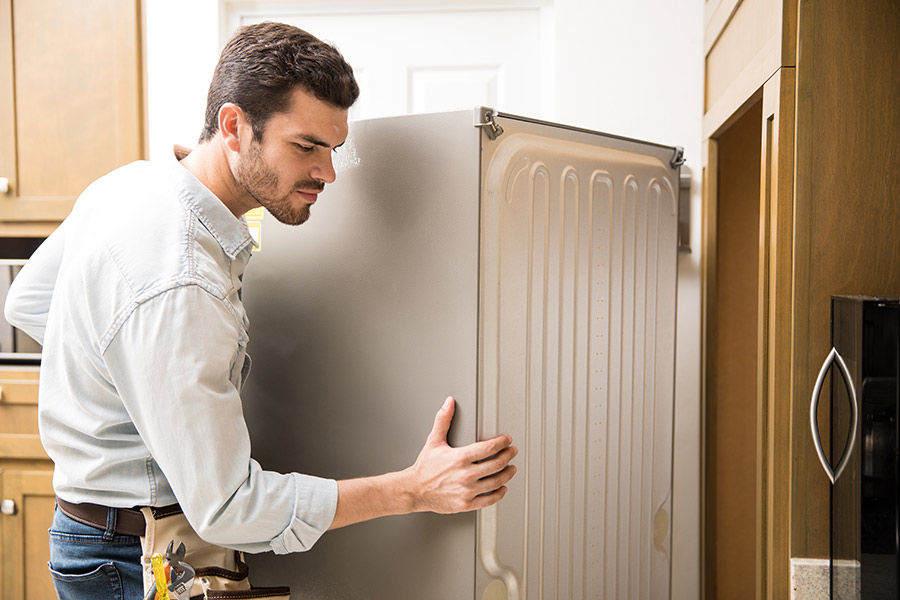
Why Every Homeowner Should Consider a Home Warranty
Discover why a home warranty can protect homeowners from costly repairs, simplify maintenance, and provide peace of mind for major systems and appliances. ...more
First-Time Homebuyers ,Texas Homeownership &Homeownership After Closing
December 16, 2025•3 min read

Holiday Traditions and Their Origins
Explore the fascinating origins of holiday traditions and how families continue to create meaningful customs today. ...more
Lifestyle & Community
December 16, 2025•3 min read
10 Tips for First-Time Homebuyers

Buying your first home can be both exciting and nerve-wracking at the same time. With so many things to consider and....
How To Choose the Right Lender for You

Lorem Ipsum is simply dummy text of the printing and typesetting industry. Lorem Ipsum has been the industry's standard dummy
Refinancing youe loan and when to do it

Lorem Ipsum is simply dummy text of the printing and typesetting industry. Lorem Ipsum has been the industry's standard dummy
Navigation
Contact
4438 State Hwy 6 S, Suite 201
College Station, Texas 77845
Toll-Free: (866) 484-1343
Phone: (713) 626-5700
Fax: (713) 626-5715
Social Media




© Copyright | 1st Alliance Mortgage | All rights reserved | Privacy Policy | Terms and Conditions | ADA Statement | AI & ML Policy
.
1st Alliance Mortgage LLC - NMLS 1407 | 4438 State Highway 6 S, Ste. 201, College Station, TX 77845
.
Notice To Texas Loan Applicants: Consumers wishing to file a complaint against a mortgage banker, or a licensed mortgage banker residential mortgage loan originator, should complete and send a complaint form to the Texas Department of Savings and Mortgage Lending, 2601 North Lamar, Suite 201, Austin, TX 78705. Complaint forms and instructions may be obtained from the department’s website at www.sml.texas.gov
.
A toll-free consumer hotline is available at 1-877-276-5550. The department maintains a recovery fund to make payments of certain actual out of pocket damages sustained by borrowers caused by acts of licensed mortgage banker residential mortgage loan originators. A written application for reimbursement from the recovery fund must be filed with and investigated by the department prior to the payment of a claim. For more information about the recovery fund, please consult the department’s website at www.sml.texas.gov